Source Pet Water Dispenser for Cats Dogs Small Animals
Explore 30 listings for pet water dispenser options suitable for cats, dogs, and small animals. Buyers can compare automatic features, capacities, and materials like plastic or stainless steel to find the right indoor solution; compare the available evidence and request quotations based on your requirements.
Key considerations
Products List
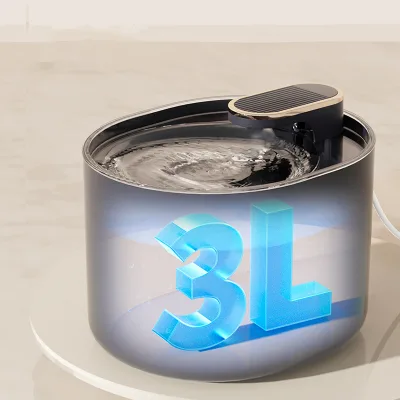
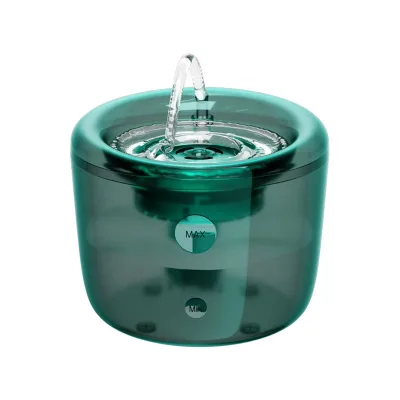
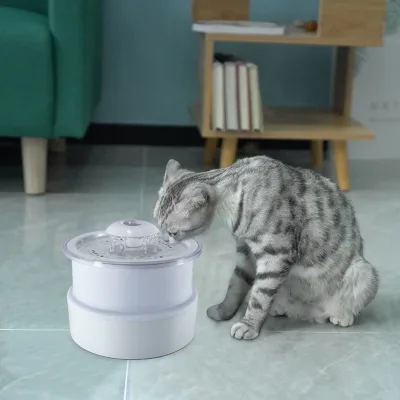


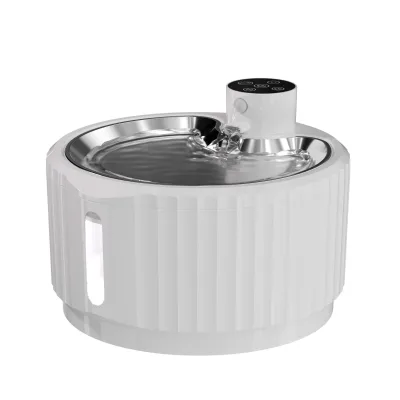


Comprehensive Sourcing Guide
Pet Water Dispenser Sourcing Guide
The global market for pet water dispensers has evolved to prioritize hydration health through automated circulation systems that reduce stagnation and bacterial growth. Buyers must distinguish between simple gravity-fed units and complex electric models that offer temperature control or filtration capabilities. The observed product landscape includes diverse configurations ranging from compact plastic bowls for small animals to large, floor-standing units designed for multi-pet households. Understanding these distinct categories is essential before initiating a procurement strategy, as the operational requirements for a simple indoor bowl differ significantly from those of a high-capacity circulating system.
Sourcing decisions should be grounded in the specific needs of the target demographic, whether it is indoor cats, small animals, or medium-sized dogs. The available data indicates a strong presence of automatic features and eco-friendly materials, suggesting a market trend toward sustainable and low-maintenance solutions. However, buyers must carefully verify that the claimed "automatic" functionality aligns with the actual power source and voltage requirements of the destination market. A mismatch in electrical specifications can lead to product rejection or safety hazards, making it critical to validate the technical compatibility of each unit before placing bulk orders.
Product Scope and Observed Listing Signals
The current catalog reveals a wide variance in product attributes, including materials ranging from standard plastic and PP to premium stainless steel housings. Some listings specify a simple, rounded shape suitable for small pets, while others describe oval or cabinet-style units intended for larger installations. This diversity implies that a single supplier may offer multiple product lines, requiring buyers to clearly define their specifications to avoid receiving mismatched inventory. The presence of both "Charge" and "110-240V" power sources further complicates the scope, necessitating a precise selection based on the intended usage environment.
Price and minimum order quantity (MOQ) signals in the market are equally volatile, with observed ranges spanning from $0.28 to $999 and MOQs from 1 to 4500 units. This disparity suggests a mix of low-cost promotional items and high-end, feature-rich commercial units. Buyers should not assume that a low price point guarantees a specific quality level or that a high MOQ is mandatory for all product types. Instead, the focus should be on correlating the price with the specific material composition, such as PP versus stainless steel, and the complexity of features like LCD displays or RO systems to ensure value alignment.
Technical Specifications to Verify
Electrical compatibility is a primary verification point, as the observed data lists conflicting voltage inputs including 5V/110MA, 110-240V, and "Not Applicable" for certain models. Buyers must confirm the exact input voltage and power source type for every SKU to ensure the product functions correctly in the target region without requiring adapters or risking electrical failure. The presence of a "Charge" power source alongside standard AC voltage options indicates a need to verify battery capacity and charging mechanisms, which are critical for portable or backup operation scenarios.
Physical dimensions and capacity metrics also require rigorous validation against the intended application space. Listings show sizes ranging from 17.517.515.5 cm to larger carton dimensions of 5638.549cm, with capacities varying from 1.6 liters to unspecified volumes. It is essential to distinguish between the single package size and the actual product volume to accurately calculate shipping costs and storage requirements. Furthermore, the line length of 180 cm for certain models must be verified to ensure it meets the spatial constraints of the installation site, particularly for floor-standing units.
Compliance and Safety Documentation
Regulatory compliance is non-negotiable for electrical pet products, especially those involving water and electricity in close proximity. The observed data mentions CE certification for specific models, which is a baseline requirement for entry into many international markets. However, buyers must not assume that all listed products carry this certification or that it covers the specific electrical standards of their destination country. Verification of the certification scope is necessary to ensure that the product meets local safety regulations regarding electrical insulation, water resistance, and material toxicity.
Material safety is another critical compliance area, particularly given the direct contact between the product and the pet's drinking water. While some units are constructed from PP or stainless steel, others may use unspecified plastics that could leach harmful chemicals. Buyers should request material safety data sheets (MSDS) and food-grade certification documents to confirm that the housing and internal components are safe for animal consumption. The absence of explicit food-grade claims in the provided data necessitates a proactive request for documentation to mitigate health risks and potential liability.
Cost Drivers and Commercial Terms
The cost structure of pet water dispensers is heavily influenced by the choice of materials and the complexity of the mechanical design. Units featuring stainless steel housings, compressor cooling, or reverse osmosis systems will inherently command higher prices compared to simple plastic gravity-fed models. Buyers should analyze the cost per unit relative to the material grade and feature set, ensuring that the premium paid for advanced features like temperature control or filtration is justified by the market demand. The observed price range of $0.28 to $999 highlights the significant impact of these technical differentiators on the final cost.
Commercial terms, including MOQ and lead times, vary widely and must be negotiated based on the specific product line. The observed MOQ range of 1 to 4500 units suggests flexibility for small buyers but may require larger commitments for custom or high-volume orders. Buyers should clarify whether the low MOQ applies to standard stock items or if customizations, such as branding or specific voltage configurations, incur higher minimums. Additionally, understanding the single gross weight of 2.000 kg versus the net weight is crucial for accurate freight cost estimation and logistics planning.
Supplier Qualification and Quality Control
Supplier qualification should extend beyond basic product listings to include an assessment of their manufacturing capabilities and quality assurance processes. The data indicates origins in HeNan and Guangdong, China, regions known for diverse manufacturing strengths, but buyers must verify the specific factory's experience with pet products. It is advisable to request evidence of past production runs for similar items, such as automatic circulating dispensers or RO systems, to gauge their technical proficiency. A supplier's ability to handle customizations, as noted in the data, is a strong indicator of their flexibility and operational maturity.
Quality control protocols must be established to ensure consistency across the production batch, particularly for products with electrical components. Buyers should implement pre-shipment inspections that focus on critical failure points, such as the integrity of the water pump, the stability of the power cord, and the sealing of the water tank. Given the observed weight variations and material differences, a random sampling plan should be used to verify that the delivered goods match the agreed-upon specifications for size, weight, and material composition. This proactive approach helps prevent costly returns and maintains brand reputation.
Long-Term Procurement Checks
Sustainable procurement requires ongoing monitoring of supplier performance and product reliability over time. Buyers should establish a feedback loop to track any recurring issues, such as pump failures or material degradation, which could indicate a systemic quality problem. Regular audits of the supplier's production line can help identify potential bottlenecks or quality drifts before they impact the supply chain. Maintaining a relationship with a supplier who offers customization and stock availability ensures the ability to adapt to changing market demands and consumer preferences.
Future-proofing the supply chain involves staying informed about emerging standards and technological advancements in pet hydration technology. As the market shifts toward more eco-friendly and smart-enabled products, buyers must remain vigilant about updates to safety regulations and material standards. Periodic reviews of the product portfolio against current market trends will help identify opportunities to upgrade to more efficient or feature-rich models. This strategic approach ensures that the procurement strategy remains competitive and aligned with the evolving needs of pet owners and retailers.
FAQs
What materials are used for pet water dispensers?
Most units are constructed from durable plastic or PP materials to ensure safety and longevity. Some premium models feature stainless steel housing for enhanced durability and hygiene. These materials are selected to withstand daily use by cats, dogs, and small animals while maintaining water quality and ease of cleaning for pet owners.
Can the product be customized for specific needs?
Yes, customization is available for many automatic circulating water dispensers. Buyers can often request specific features, colors like gray or green, or tailored packaging solutions. This flexibility allows businesses to meet unique market demands and branding requirements while ensuring the product remains suitable for indoor use by various pet types.
What is the typical capacity of these dispensers?
The standard capacity for these automatic pet water dispensers is typically 1.6 liters. This volume is designed to provide a sufficient water supply for cats and small to medium-sized dogs without requiring frequent refills. The compact size fits well in indoor environments, ensuring pets have constant access to fresh, circulating water.
Which certifications are commonly associated with these products?
Many automatic pet water dispensers carry CE certification, indicating compliance with European health, safety, and environmental protection standards. This certification is crucial for international trade and assures buyers of product quality. It helps manufacturers demonstrate that their electrical components and materials meet rigorous regulatory requirements for consumer goods.
How does the power source affect usage?
These dispensers typically operate on charge or standard voltage inputs like 110-240V or 5V. This versatility allows for flexible placement in homes without strict outlet constraints. The automatic circulation feature ensures water remains fresh, while the power design supports continuous operation for cats and dogs, enhancing hydration habits through consistent water flow.